

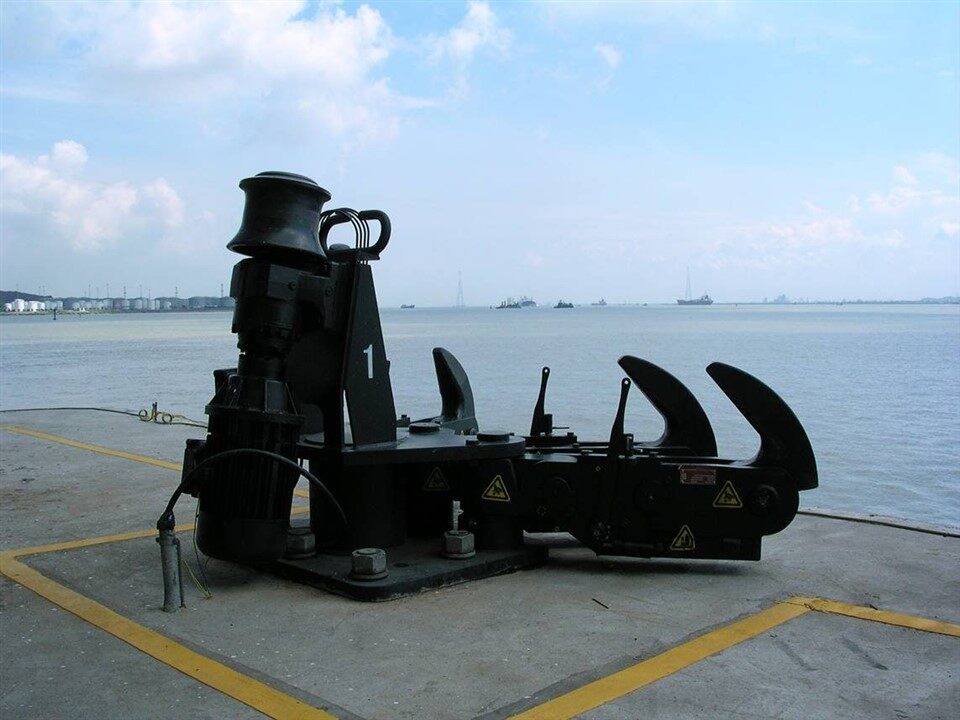
Lianyungang, Jiangsu Mar 3, 2026 (Issuewire.com) - In modern port operations, safe and efficient mooring systems are essential to maintaining terminal productivity and vessel security. As global energy logistics continue to scale, operators are increasingly evaluating the performance differences between hydraulic and mechanical solutionsespecially when selecting quick release mooring hooks for ports that must perform reliably under high loads and harsh marine conditions. Against this backdrop, Lianyungang Hechang Machinery Co., Ltd. provides advanced mooring and fluid handling solutions designed to meet the evolving needs of oil, gas, chemical, and energy terminals worldwide.
This press release presents a structured comparison of hydraulic and mechanical mooring hooks, focusing on strength, operational reliability, safety performance, and lifecycle value to support informed decision-making for terminal engineers and port authorities.
Understanding Mooring Hook Technologies
Mooring hooks are critical safety devices installed on jetties and berths to secure vessels during loading and unloading. Their primary functions include:
- Holding mooring lines under high tension
- Enabling rapid emergency release
- Providing load monitoring and safety feedback
- Supporting automated terminal operations
Two mainstream technologies dominate the market: mechanical quick release hooks and hydraulic quick release hooks. While both serve the same basic function, their performance characteristics differ significantly.
Strength Performance ComparisonMechanical Mooring Hooks
Mechanical mooring hooks typically rely on spring-loaded or manually actuated release mechanisms. Their structural strength is primarily determined by:
- Hook body material grade
- Casting or forging quality
- Mechanical latch design
- Wear resistance of moving parts
Strength advantages:
More On Newsinterestcorp ::
- Fire Rated Door Manufacturer in China: Haizhu Rewrites What “Passing Inspection” Means
- Beat Ascension Recordings Music Group Expands Global Roster in 2026 with Three New Label Additions
- sptzxdyelj
- Will Kelly, Recognized by BestAgents.us as a 2026 Top Agent
- CyberSecureRIA's Tech Support: Secure, Quality Help Desk Services for Small Firm RIAs
- Simple load path with fewer hydraulic dependencies
- Proven robustness in basic port environments
- Lower initial structural complexity
However, mechanical systems may experience performance degradation over time due to:
- Mechanical wear
- Corrosion at pivot points
- Increased friction under heavy usage
In high-capacity terminals, purely mechanical release force can become inconsistent if maintenance is not strictly maintained.
Hydraulic Mooring Hooks
Hydraulic mooring hooks incorporate hydraulic cylinders to control the release mechanism. This design offers several strength-related benefits:
- Consistent release force regardless of load condition
- Higher rated holding capacity for large vessels
- Reduced manual force requirements
- Better performance under dynamic loads
Hydraulic systems are particularly advantageous in:
- LNG terminals
- VLCC berths
- High-frequency loading jetties
- Automated smart ports
Because hydraulic pressure assists the release action, these systems maintain stable performance even when mooring lines are under extreme tension.
Conclusion on strength:
For heavy-duty and high-tonnage applications, hydraulic mooring hooks generally provide superior controlled strength performance, while mechanical hooks remain suitable for lighter-duty or cost-sensitive projects.
Reliability in Harsh Marine Environments
Reliability is often the decisive factor for port operators, especially in coastal and offshore environments.
Mechanical Hook Reliability
Mechanical hooks are valued for their simplicity. With fewer subsystems, they offer:
Lower risk of hydraulic leakage
Easier basic maintenance
Independence from power systems
However, long-term reliability challenges include:
Exposure-related corrosion
Mechanical seizure risk
Performance variability under poor lubrication
Limited remote diagnostics
In humid or salt-heavy environments, purely mechanical systems require disciplined preventive maintenance to sustain performance.
Hydraulic Hook Reliability
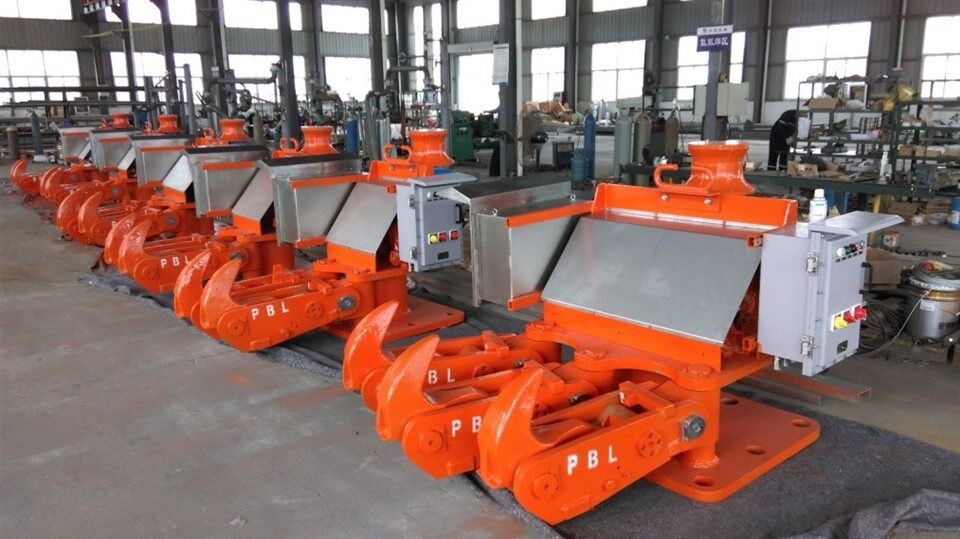
Modern hydraulic mooring hookssuch as those engineered by Hechanghave significantly improved reliability through:
Sealed hydraulic circuits
Marine-grade anti-corrosion coatings
Redundant release pathways
Integrated condition monitoring
Key reliability strengths include:
- Stable remote release capability
- Reduced manual intervention
- Consistent performance in high-frequency operations
- Compatibility with emergency shutdown systems
Advanced hydraulic designs also incorporate manual backup release, ensuring functionality even in power-loss scenarios.
Reliability verdict:
Well-engineered hydraulic systems now match or exceed mechanical reliability in most industrial port environments, particularly where preventive maintenance programs are in place.
Operational Safety Comparison
Safety is the core reason ports invest in quick release mooring systems.
Mechanical System Safety
Mechanical hooks provide basic emergency release capability but may involve:
- Higher manual intervention
- Slower release response in some designs
- Limited integration with automated safety systems
They remain acceptable for smaller terminals but may not meet the automation expectations of modern energy ports.
Hydraulic System Safety
Hydraulic mooring hooks excel in safety-critical environments due to:
- Remote emergency release capability
- Integration with ESD (Emergency Shutdown) systems
- Load monitoring compatibility
- Optional auto-release under overload conditions
These features are especially important in oil, chemical, and LNG terminals where rapid vessel disengagement may be required during emergencies.
Hechangs solutions emphasize multi-layer safety architecture, supporting safer berth operations across demanding energy infrastructure projects.
Maintenance and Lifecycle ConsiderationsMechanical Hooks
Pros:
- Lower upfront cost
- Simple structure
- Basic maintenance requirements
Cons:
- Higher long-term wear risk
- More frequent manual inspection
- Limited predictive maintenance capability
Hydraulic Hooks
Pros:
- Longer service intervals when properly maintained
- Predictable performance
- Compatibility with smart maintenance systems
- Better suited for automated terminals
Cons:
- Higher initial investment
- Requires hydraulic system knowledge
From a lifecycle perspective, many high-throughput terminals find hydraulic systems more cost-effective over time due to reduced downtime and improved operational efficiency.
Application-Based Selection Guidance
Based on industry practice, the selection typically follows these patterns:
Mechanical mooring hooks are suitable for:
- Small to medium general cargo berths
- Low-frequency vessel operations
- Budget-constrained projects
- Simple port infrastructure
Hydraulic mooring hooks are preferred for:
- Oil and gas terminals
- LNG receiving stations
- High-capacity energy ports
- Smart and automated terminals
- Safety-critical berths
With more than 2,000 clients served and over 6,000 projects completed, Hechang has accumulated extensive field experience helping terminal operators choose the optimal mooring configuration for their specific risk profile and throughput requirements.
Conclusion: Choosing the Right Technology for Future Ports
As global ports move toward higher automation, larger vessel sizes, and stricter safety standards, the choice between hydraulic and mechanical mooring hooks becomes increasingly strategic rather than purely cost-driven.
Mechanical hooks remain a practical solution for simpler applications, but hydraulic quick release mooring systems are rapidly becoming the preferred option for modern energy terminals due to their superior controlled strength, enhanced safety integration, and long-term operational reliability.
Through continuous engineering innovation and full lifecycle service capability, Lianyungang Hechang Machinery Co., Ltd. is helping ports worldwide implement safer, smarter, and more efficient mooring infrastructure.
For more information, please visit:
https://www.chinaloadingarm.com/
Media Contact
Lianyungang Hechang Machinery Co.,Ltd
8615261392066
Source :Lianyungang Hechang Machinery Co.,Ltd
This article was originally published by IssueWire. Read the original article here.